Concrete Batching Plants: Types, Classifications, and Selection Criteria
Concrete batching plants play a crucial role in the construction industry by providing the necessary equipment to produce concrete for various projects. This article explores the different types of concrete batching plants, their classifications, and important considerations when selecting one for a project.

Overview of Concrete Batching Plants
A concrete batching plant, also known as a concrete mixing plant, is designed to produce concrete efficiently. A complete setup typically includes several key components:
Mixing System
Aggregate Supply System
Powder Storage System
Liquid Storage and Metering System
Control System
External Auxiliary Equipment
The performance and configuration of these components significantly affect both the quality and efficiency of concrete production.
Classification of Concrete Batching Plants
Concrete batching plants can be categorized based on various criteria:
By Mobility
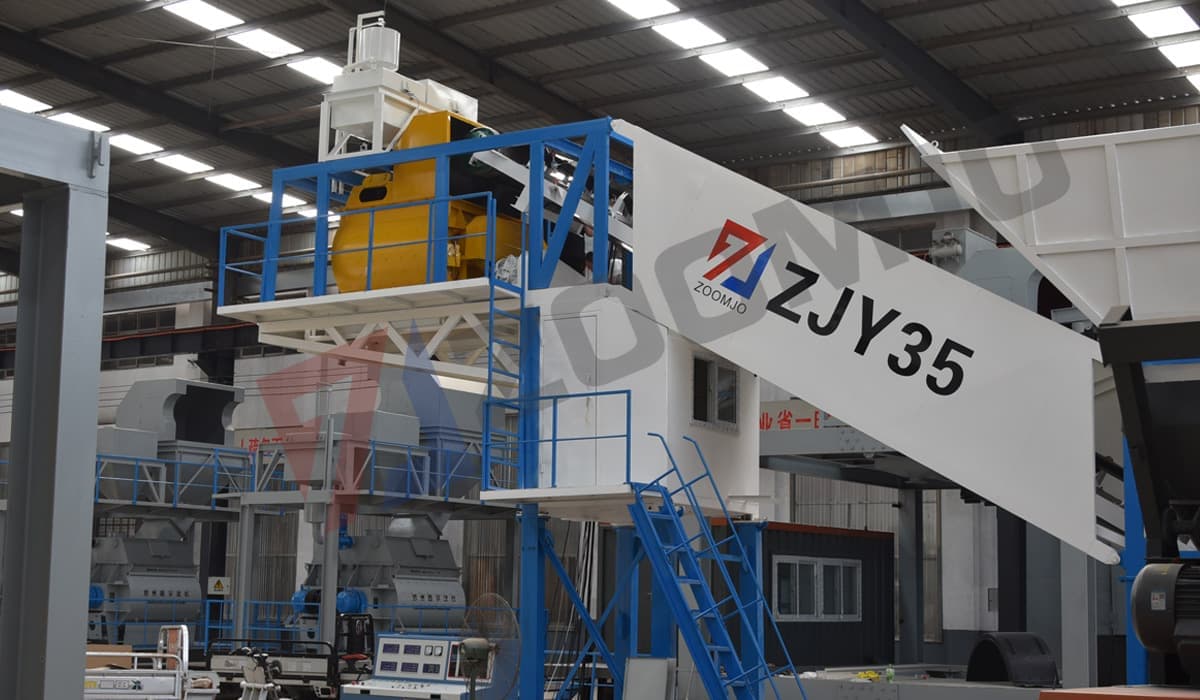
Mobile Concrete Batching Plant
Features: Highly flexible and easily transportable.
Ideal For: Projects requiring frequent relocation, such as highways and bridges.
Components: Includes a mixing machine, aggregate batching system, and control system.
Advantages: Quick deployment and short installation times.
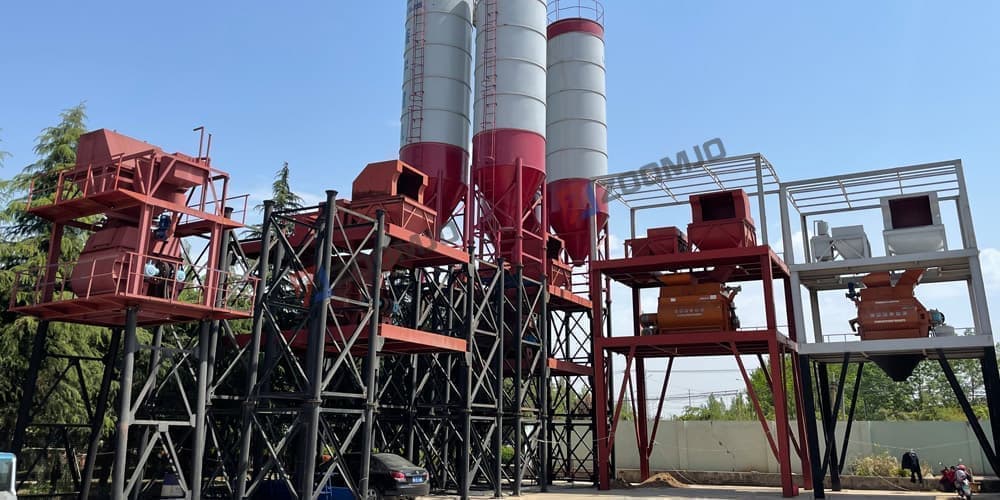
Stationary Concrete Batching Plant
Features: Fixed installations with larger storage capacities.
Ideal For: Large-scale construction projects like high-rises and infrastructure.
Advantages: High productivity and durability, but less flexible than mobile plants.
By Capacity
Small Concrete Batching Plant: Suitable for small-scale projects (25-50 m³/h).
Medium Concrete Batching Plant: Designed for multi-storey buildings and medium infrastructure (50-120 m³/h).
Large Concrete Batching Plant: For large commercial or infrastructure projects (over 120 m³/h).
By Mixing Method
Gravity Concrete Batching Plant
Utilizes gravity for mixing materials.
Best for small-scale projects but has lower efficiency.
Forced Concrete Batching Plant
Uses rotating blades for thorough mixing.
Suitable for large infrastructure projects due to its high efficiency.
Key Considerations for Selection
When choosing a concrete batching plant, several factors should be taken into account:
Project Size and Demand: Match the plant's capacity with project requirements.
Site Conditions: Assess the topography to determine the suitable type of plant.
Equipment Quality: Select reliable equipment with stable performance.
Mobility Needs: Decide between mobile or stationary based on project dynamics.
Technical Performance: Ensure high automation and accurate measurement systems.
Supplier Reputation: Opt for suppliers known for good service and support.
Cost-Effectiveness: Aim for a balance between performance and investment cost.
Environmental Compliance: Consider dust control, noise reduction, and safety standards.
Conclusion
Selecting the right concrete batching plant is essential for ensuring efficient concrete production tailored to specific project needs. By considering factors such as mobility, capacity, mixing method, and supplier reliability, stakeholders can make informed decisions that enhance productivity while maintaining quality standards in construction projects.
For comprehensive solutions in concrete batching plants, ZOOMJO offers expertise from equipment selection to installation, ensuring that your project requirements are met effectively.

评论
发表评论