Concrete Batching Plants: An Overview
Batching Plants for Concrete Production
Concrete batching plants are essential facilities in modern construction, responsible for producing high-quality concrete through intricate processes of storage, weighing, and mixing. This article explores the various types of concrete batching plants, their features, and the scenarios in which they are most applicable.
Common Types of Concrete Batching Plants
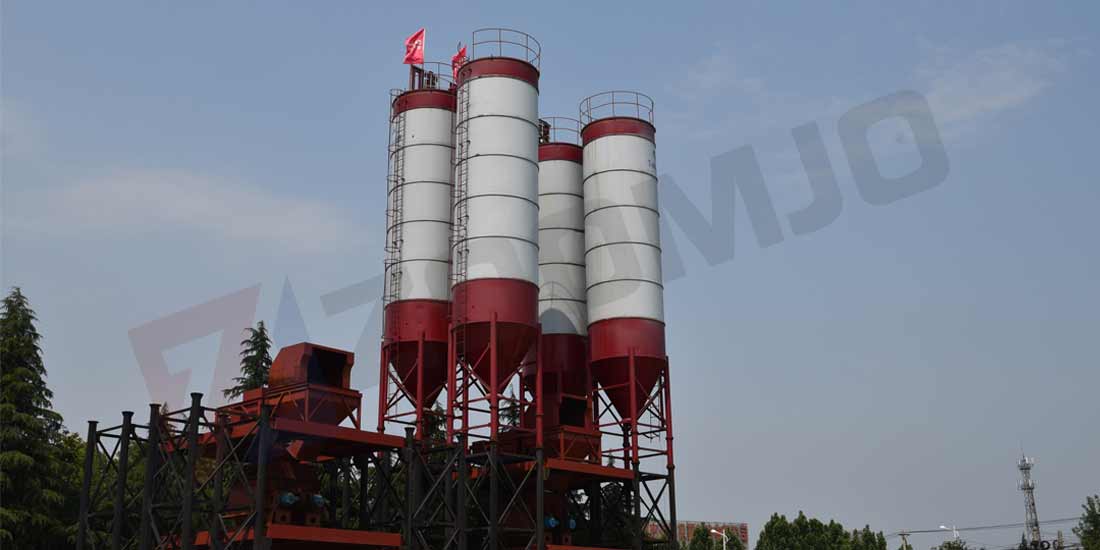
1. Stationary Concrete Batching Plant
Stationary concrete batching plants are designed for continuous and stable production, making them ideal for large-scale projects that require a consistent supply of concrete.
Characteristics: - High Production Capacity: Capable of meeting the demands of extensive construction projects. - Automated Control System: Ensures precise weighing and mixing for reliable concrete quality. - Fixed Location: Once installed, they remain in place, suitable for long-term projects. - Flexible Structure: Various designs are available to meet specific project requirements.
Models and Capacities: These plants range from HZS/ZJ25 (25 m³/h) to HZS/ZJ240 (240 m³/h), providing diverse options for users.
2. Mobile Concrete Batching Plant
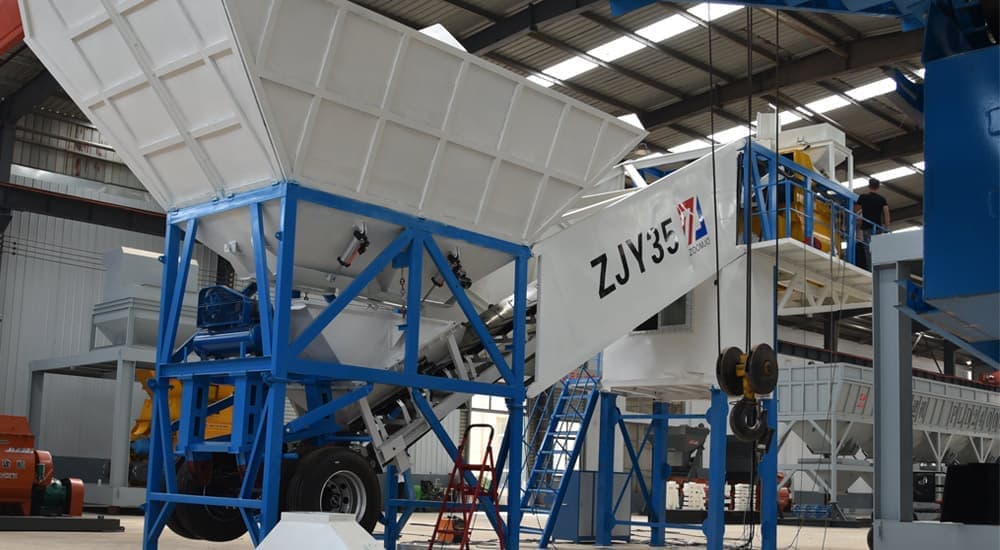
Mobile batching plants are portable and efficient, characterized by their ability to move between sites easily. They are particularly useful for:
- Road construction projects
- Temporary or short-term projects
- Emergency repairs requiring fast-setting concrete
- Production of precast elements
Advantages: - High Flexibility: Quick setup and relocation capabilities. - Capacity Range: Typically between 25 to 120 m³/h.
Working Principle: The mobile plant operates by batching aggregates, preparing powder materials and water, mixing them, and then transporting the concrete to the site.
3. Foundationless Concrete Batching Plant
This innovative type eliminates the need for a traditional foundation, offering benefits such as:
- Time Savings: Reduces foundation construction time by about 20 days.
- Material Efficiency: Lowers concrete usage by approximately 50 cubic meters.
- Ease of Installation: Simplifies setup and dismantling processes.
4. Belt-Type Concrete Batching Plant
Belt-type plants are known for their efficiency and stability. They are suitable for large-scale projects due to their:
- High Degree of Automation: Minimizes manual intervention.
- Low Noise Levels: Environmentally friendly operation.
5. Skip Type Concrete Batching Plant
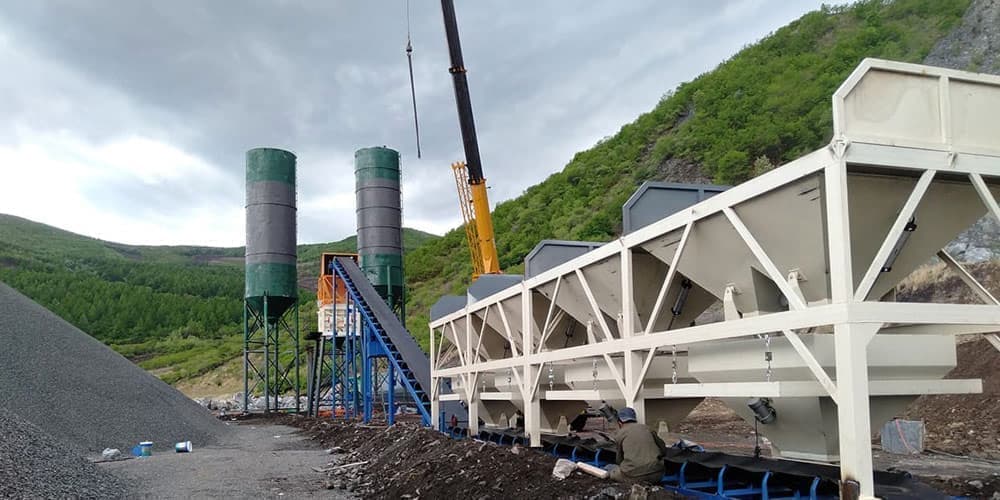
This type uses a skip to convey materials and is favored for:
- Fast Unloading Speed: Ideal for medium to large construction sites.
- Compact Structure: Requires less space while maintaining strong adaptability.
6. Dry Mixing Plant
More efficient than other types, dry mix plants require a mixer truck for adequate mixing, making them suitable for rapid large-scale production.
7. Tower Concrete Batching Plant
These modular plants are popular for producing ready-mixed or precast components due to their high efficiency and flexibility.
Choosing the Right Concrete Mixing Plant
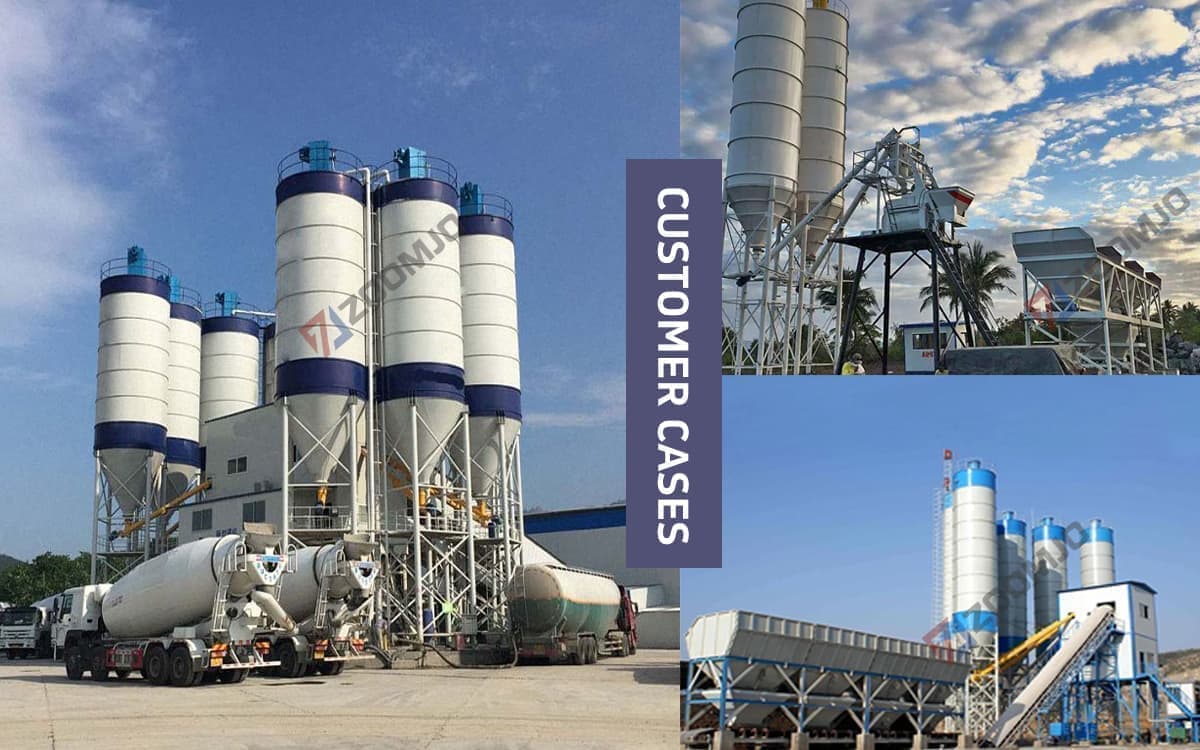
Selecting an appropriate concrete mixing plant involves considering several factors:
- Project Scale: Large-scale projects benefit from stationary plants; smaller ones may opt for mobile or foundation-free options.
- Construction Conditions: Terrain and site size can influence plant choice.
- Concrete Quality Requirements: High-performance projects necessitate precise automated systems.
- Budget Constraints: Investment costs vary significantly among plant types.
- Environmental Considerations: Areas with strict regulations may require low-emission plants.
- Production Flexibility: Frequent location changes favor mobile or foundation-free plants.
Conclusion
Each type of concrete batching plant offers unique advantages tailored to specific project needs. ZOOMJO, a leading manufacturer in this field, provides a variety of solutions to meet diverse construction requirements. For further inquiries or professional consultation regarding concrete mixing plants, ZOOMJO is available to assist with tailored solutions.

评论
发表评论